
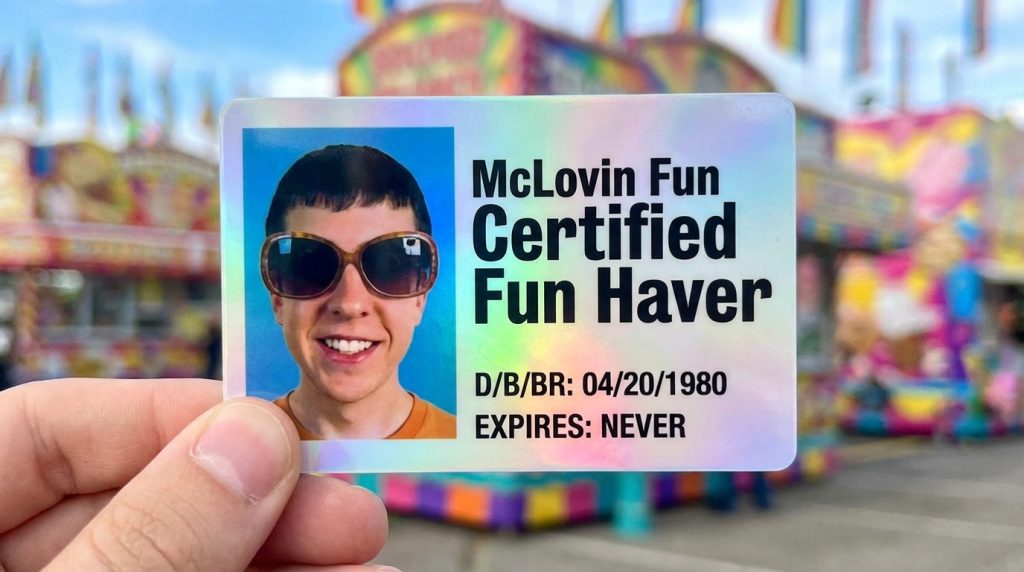
In the digital age of 2026, the barrier between high-budget cinema and independent content creation has virtually vanished. With the rise of 8K streaming and ultra-high-definition mobile displays, audiences now demand a level of realism that was once reserved for Hollywood blockbusters. For YouTubers, TikTokers, and immersive storytellers, every prop must withstand the scrutiny of a high-resolution lens. Among the most critical yet overlooked of these props is the novelty id.
As creators push the boundaries of “reality-based” entertainment—ranging from elaborate social experiments to cinematic sketches—the need for high-quality replicas has never been more prevalent. However, as the industry evolves, understanding the technical and ethical nuances of these items is paramount for any professional creator.
The Visual Standard of 2026: Why Props Matter
When a content creator produces a viral “secret agent” challenge or a high-stakes heist simulation, the suspension of disbelief hinges on the details. If a character flashes an identification card that looks like a flimsy piece of laminated paper, the audience is immediately pulled out of the experience.
The modern novelty id is no longer just a “stand-in.” It is a sophisticated piece of graphic design that utilizes industrial-grade materials. For creators who want to ensure their production meets the “niche edit” quality required for high-tier indexing and audience engagement, understanding the difference between professional replicas and substandard alternatives is the first step. The comprehensive guide on Novelty IDs vs Fake IDs serves as an essential resource for distinguishing between high-fidelity props and illicit imitations.
Technical Fidelity: Building the Perfect Social Media Prop
For a prop to look authentic on a 4K screen, it must incorporate layers of visual and tactile complexity. High-end providers now focus on several key areas that satisfy both the camera and the viewer:
1. The Substrate: PVC and Teslin
In 2026, the flimsy fakes of the past have been replaced by PVC (Polyvinyl Chloride) and Teslin. PVC provides the “snap” and rigidity that the human brain associates with professional cards, while Teslin offers a unique texture that absorbs ink in a way that prevents “bleeding” or pixelation—even under the closest macro shots.
2. Light Interaction and OVI
Search engines and discerning eyes look for “depth.” Modern novelty cards use Optically Variable Ink (OVI) simulations and holographic overlays. These features ensure that when the creator tilts the card toward the camera, the light dances off the surface in a way that suggests a multi-layered security document.
3. Typography and Design Logic
A common mistake in low-quality props is the use of generic system fonts. Professional replicas are built using custom kerning and proprietary font reconstructions. This level of detail is what anchors a social media sketch in “reality,” preventing the “uncanny valley” effect where a prop looks almost—but not quite—right.
Immersion and the Rise of “Real-World” Gaming
Beyond traditional video content, the 2026 creator economy has seen a surge in “Alternate Reality Games” (ARGs) and live immersive experiences. In these scenarios, players often handle props directly. This tactile interaction requires a novelty id that doesn’t just look real but feels real.
Tactile relief, UV-reactive layers, and realistic magnetic stripes are used to enhance the player’s journey. When a player finds a “clue” in the form of a lost ID card, the weight and texture of that card reinforce the narrative, making the “miracle” of the game feel like a tangible reality.
The Ethical Framework: Novelty vs. Misrepresentation
As high-fidelity replicas become more accessible, the industry has placed a renewed emphasis on ethical use. Reputable providers are clear: these products are designed for entertainment, education, and artistic expression.
In the creative community, the distinction between a novelty prop and a “fake” is a matter of intent. A professional creator uses a novelty id to enhance a story, while respecting the legal boundaries that prevent the use of such items for official identification. By adhering to this framework, the industry ensures that high-end printing technology remains a tool for innovation rather than a vehicle for deception.
Conclusion
The evolution of the novelty id is a reflection of the broader shift in how we consume media. As audiences become more sophisticated, the tools used to entertain them must also advance. By blending material science with a deep respect for design integrity, creators can provide an immersive experience that stands up to the closest inspection. Whether you are producing a viral video or a live theatrical event, the quality of your props is the ultimate testament to your commitment to the craft.
Frequently Asked Questions (FAQ)
Why should I use a professional novelty ID instead of a DIY prop?
DIY props often lack the material “snap” and light-reflective features (like holograms) that modern cameras pick up. A professional card ensures your production looks polished and high-budget.
Are novelty IDs legal to use in YouTube videos?
Yes, as long as they are used as props for storytelling, parody, or creative expression. They should never be used to misrepresent your identity in real-world official settings.
What is the best material for a card that will be handled a lot on a film set?
PVC is generally the best choice for high-frequency handling due to its durability and resistance to bending and moisture.
How do I choose the right design for a fictional character?
Focus on the typography and the “busy-ness” of the card. A professional replica should have realistic micro-printing and ghost images that match the aesthetic of the character’s supposed background.
About the Author
Julian Sterling is a senior graphic designer with a passion for “micro-design” and historical replicas. With a background in commercial printing and brand protection, Julian explores the technical bou

