
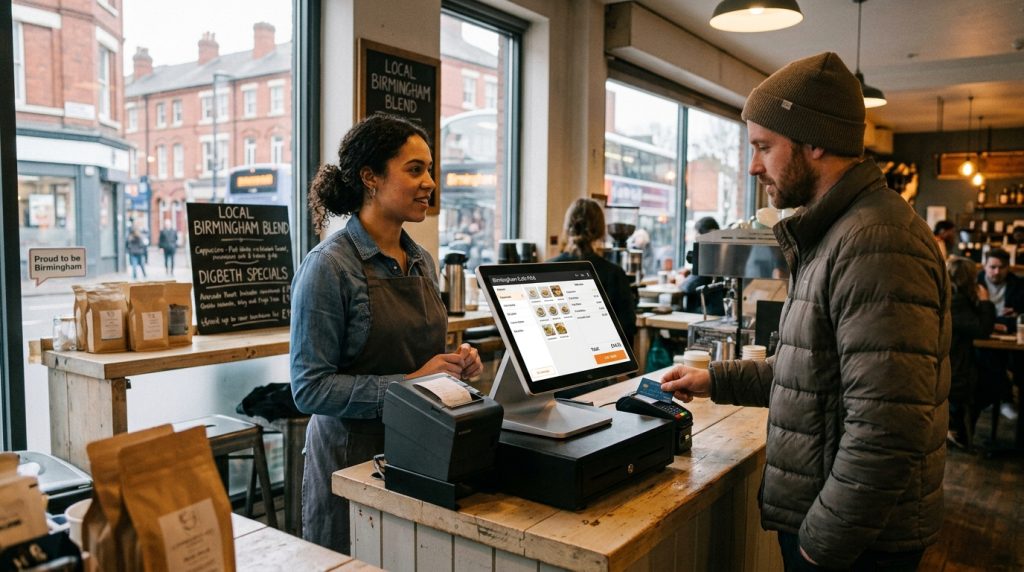
The United Kingdom boast one of the most competitive hospitality markets in the world. From high-volume metropolitan coffee shops to upscale dining venues, establishments face constant pressure to improve speed, reduce operational costs, and elevate the customer experience. To achieve these goals, business owners are shifting away from standalone card terminals and manual bookkeeping, turning instead to modern, comprehensive management solutions.
Transforming the British Cafe Experience
The expectations of the average coffee house customer have risen significantly. Speed and accuracy are the ultimate priorities during the morning rush when commuters queue for their daily caffeine fix. Finding the Best EPOS for cafes UK operators can rely on involves looking for systems that specialize in rapid-fire processing and simple ordering interfaces.
A cafe-focused point-of-sale terminal simplifies complex drink modifications—such as milk alternatives, extra espresso shots, and syrup selections—into rapid touchscreen taps. This ensures the barista receives clear instructions instantly, reducing ingredient waste and eliminating order errors. Furthermore, modern setups track granular inventory like coffee beans and milk cartons in real-time, sending automated alerts before an item runs completely out of stock.
Navigating the High-Stakes London Market
Further south, the capital’s culinary landscape presents its own distinct set of challenges. London diners expect an completely frictionless journey, from table booking to final checkout. Implementing a high-performance Restaurant EPOS London is vital for any metropolitan business looking to optimize table turnover and scale operations smoothly.
In a fast-paced city eatery, synchronization between the front-of-house staff and the kitchen must be instantaneous. Handheld ordering tablets allow servers to send ticket data straight to kitchen display screens right from the tableside, eliminating the need to walk back and forth to a central terminal. This keeps staff on the floor longer to look after guests and upsell specials. Additionally, with London quickly becoming a cashless economy, a robust system handles modern digital transactions—including mobile wallets and wearable tech payments—in milliseconds.
Core Business Advantages of Digital Integration
Adopting a specialized point-of-sale infrastructure provides business owners with several backend benefits:
- Menu Engineering: Easily analyze sales data to identify your most profitable dishes and phase out underperforming menu items.
- Labor Efficiency: Review hourly sales reports to align staff rotas perfectly with peak trading hours, reducing unnecessary labor costs.
- Cloud Accessibility: Monitor daily takings, update pricing, and check inventory levels remotely from a smartphone or laptop at any time.
- Customer Loyalty: Build strong brand relationships by offering integrated digital loyalty schemes that reward regular guests automatically.
Driving Sustainable Growth
As the hospitality sector moves forward, the businesses that succeed will be those that utilize technology to empower their staff rather than complicate their workflow. By automating the technical and administrative burdens of transactions, restaurant and cafe owners can free up valuable time to focus on culinary creativity and genuine customer care. Investing in a resilient digital foundation ensures your venue stays efficient, profitable, and highly competitive.

