
For many travelers, an East African safari is a bucket-list adventure that promises a deep connection with nature and the chance to witness the world’s most iconic wildlife in their natural habitat. However, combining two of the region’s greatest destinations—Kenya and Tanzania—requires careful logistical planning. As you begin to map out your 2026 itinerary, understanding the administrative and financial requirements is the most critical step to ensuring your journey is as seamless as the plains themselves.
Navigating Cross-Border Entry Requirements
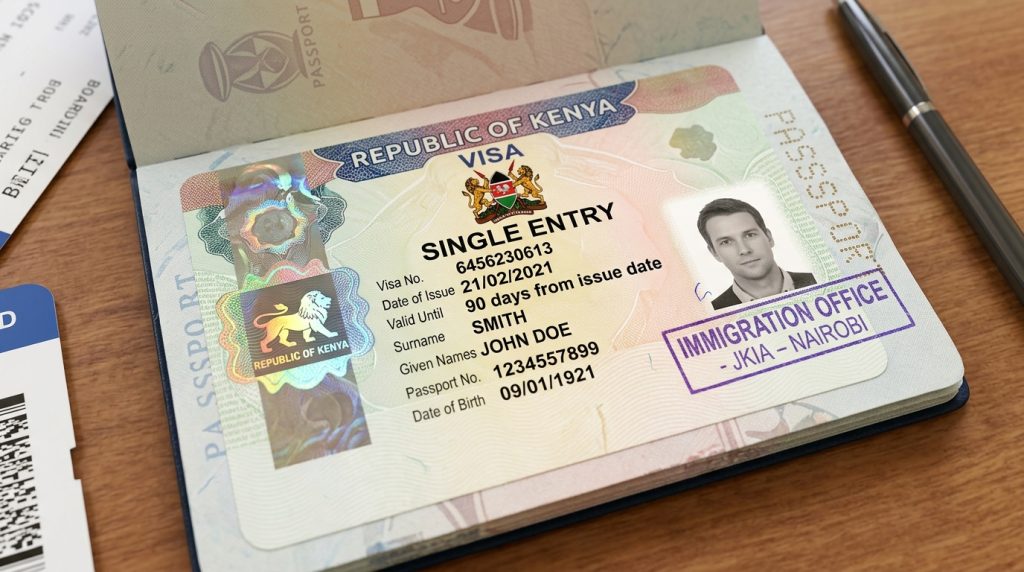
A common question for adventurers planning a multi-country expedition is: DO YOU NEED A VISA FOR KENYA TANZANIA SAFARI? The short answer is yes. Kenya and Tanzania maintain separate immigration systems, and your transit between them necessitates compliance with the individual entry regulations of both nations.
For 2026, both countries have prioritized digital efficiency:
- Kenya: You must obtain an Electronic Travel Authorization (eTA) prior to your arrival. This system has replaced traditional visas, and it is mandatory for almost all international visitors, regardless of whether you are entering by air or through a land border crossing.
- Tanzania: While some travelers may be eligible for a visa on arrival, it is highly recommended to secure an eVisa through the official immigration portal well before your departure. This preemptive step helps you avoid the long queues and potential administrative uncertainties often encountered at border checkpoints.
If you are planning to move between the two countries, ensure that your travel itinerary clearly accounts for the specific documentation required for each border crossing. Always confirm your status on the official government portals (etakenya.go.ke and immigration.go.tz) to ensure your travel remains uninterrupted.
Expert Tips for a Successful Wildlife Expedition
Planning a safari involves more than just flights and visas; it requires an understanding of how seasonality, wildlife movements, and accommodation styles impact your overall experience and budget. Whether you are a solo adventurer or planning a family getaway, preparation is the key to managing expectations and costs.
If you are traveling from the United Kingdom, you can find a comprehensive KENYA SAFARI TOURS UK COMPLETE GUIDE that breaks down everything from the best time to witness the Great Migration to managing daily expenses. As you review your options, consider these three professional insights for your 2026 trip:
1. Timing Your Visit
Wildlife viewing is heavily dictated by weather patterns. The peak season (July–October) offers the most dramatic animal concentrations, particularly during the river crossings in the Maasai Mara, but it also commands premium pricing. If you prefer a balance of value and wildlife visibility, the shoulder seasons—January to March and November to December—are exceptional times to visit, often featuring reduced lodge rates and fewer crowds.
2. Choosing Your Safari Tier
Your choice of accommodation is the single largest factor in your safari budget. Budget camping provides a rugged, immersive experience with shared facilities, while mid-range eco-tented camps offer a comfortable blend of luxury and nature. For those seeking opulence, ultra-luxury lodges provide bespoke services, private plunge pools, and gourmet dining, often situated within exclusive conservancies that offer a more private viewing experience.
3. Medical and Practical Preparations
A successful safari is a healthy one. Before you leave, consult your travel clinic regarding mandatory and recommended vaccinations, including Yellow Fever certificates if you are crossing borders between endemic regions. Additionally, ensure your travel insurance is up to date, and consider packing a robust first-aid kit, high-quality insect repellent, and lightweight, neutral-colored clothing that is suitable for both dusty game drives and crisp evening temperatures.
By taking the time to secure your documentation early and choosing an itinerary that aligns with your travel style, you turn a complex logistical challenge into a straightforward, thrilling adventure. Whether you are observing the “Big Five” in the wild or enjoying a sundowner on the savanna, meticulous preparation in 2026 will ensure your memories remain focused on the beauty of the landscape rather than the paperwork.

